



On this page14 sections
- 1. What is Ladino?
- 2. Where does the name Ladino come from?
- 3. How did Ladino emerge?
- 4. Who speaks Ladino?
- 5. The relationship between Ladino and Spanish
- 6. What alphabet is Ladino written in?
- 7. Ladino literature, music and culture
- 8. The relationship between Ladino and Turkish
- 9. Where is Ladino spoken today?
- 10. Why is Ladino in danger of disappearing?
- 11. Is Ladino being revived today?
- 12. Can Ladino be learned?
- 13. Why is Ladino culturally important?
- Conclusion: The past and future of Ladino
Ladino is not only a means of communication but a historic language that carries hundreds of years of migration, cultural memory and social identity. Getting to know Ladino is especially important for understanding the past of the Sephardic Jews who were forced to leave Spain. With its Spanish-like structure, its cultural relationship with Hebrew and the words it took from many languages including Turkish, it is one of the most remarkable legacies of Mediterranean history.
1. What is Ladino?
In its most common definition, Ladino is a Judeo-Spanish language spoken throughout history by Sephardic Jews. Linguistically it belongs to the Romance branch of the Indo-European language family, which means it is part of the same broad family as Spanish, Portuguese, Italian and French.
The basis of Ladino is formed by the historical forms of Spanish spoken in the Iberian Peninsula at the end of the Middle Ages. But Ladino is not simply an old version of the Spanish of Spain. Over centuries, through the daily life and religious traditions of Jewish communities living in different countries and their relationships with other societies, it became a language in its own right. It was influenced by Turkish, Hebrew, Greek, Arabic, French and the Balkan languages.
When defining Ladino, three of its features should be especially emphasised:
- Historical origin: It has a strong linguistic bond with Old Spanish.
- Cultural identity: It has an important place in the family, community and cultural life of Sephardic Jews.
- Multilingual interaction: It has been enriched by the influence of the languages of the lands where it was spoken.
For this reason, Ladino is an important subject of research both for the history of Spanish and for the cultural past of the Jewish diaspora.
2. Where does the name Ladino come from?
The naming of Ladino is somewhat complicated, because the communities that spoke it did not always call it by the same name.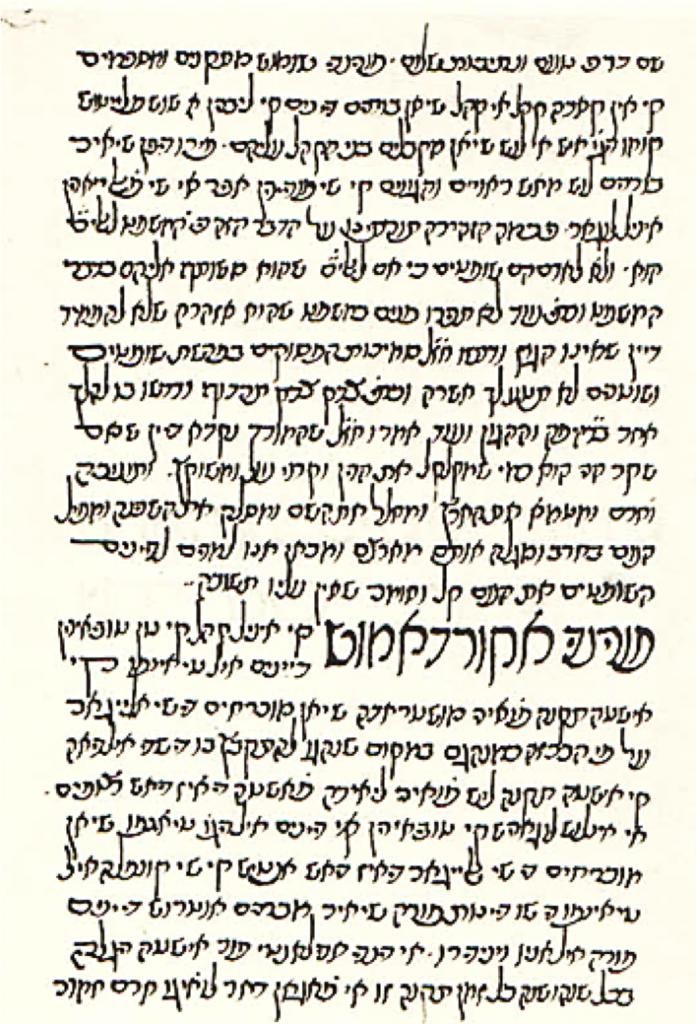
Ladino
This is the name widely used internationally today. It appears often, especially in Israel and in studies of Sephardic culture.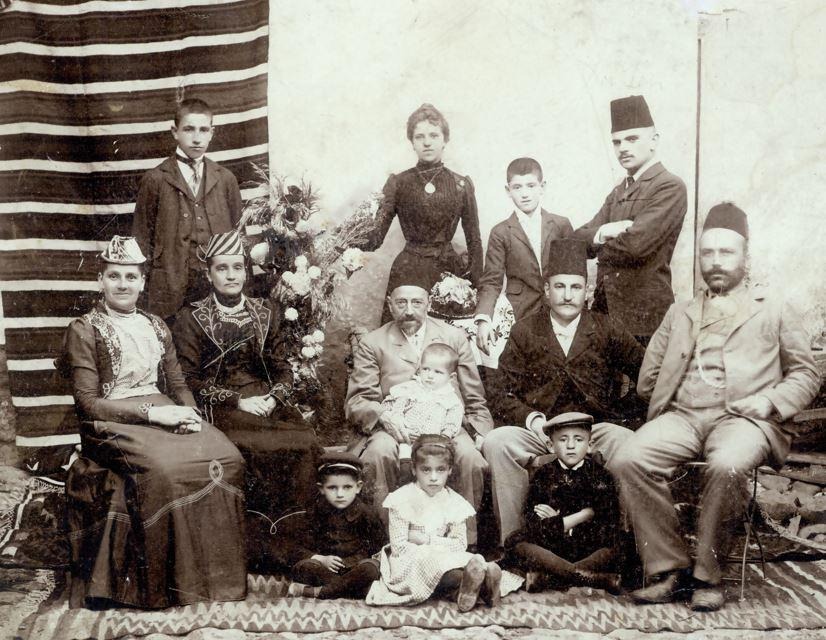
Judeo-Espanyol (Judeo-Spanish)
This term clearly expresses the historical origin of the language. It is one of the main names used in academic work.
Judezmo, Djudezmo and Espanyol
These are other names used in some communities. Expressions such as muestro espanyol, meaning “our Spanish”, also show the language's connection with a sense of belonging.
The historical language forms of some Sephardic communities in Morocco and North Africa are known as Haketia. Haketia is a Judeo-Spanish variety related to Ladino, but it should not be considered entirely identical to all varieties of Ladino.
Another important detail is this: some linguists use the name Ladino specifically for the written language that arose from word-for-word translation of Hebrew religious texts into Spanish, while preferring Judezmo or Judeo-Espanyol for the everyday spoken language. Even so, the name Ladino is now also widely used for the language as a whole.
3. How did Ladino emerge?
To understand the history of Ladino, we must first look at medieval Spain.
For centuries in the Iberian Peninsula, Muslims, Christians and Jews lived side by side in different periods. Jewish communities preserved their own religious traditions while also using the languages of the regions where they lived. Contact between Spanish, Hebrew and Arabic shaped the linguistic and cultural world of Jewish communities.
The year 1492 is one of the most important turning points in the history of Ladino. Under the edict of expulsion issued by the Catholic Monarchs of Spain, Jews were forced to convert or leave the country. Many Jewish families migrated to Ottoman lands, North Africa and other parts of Europe. Jewish communities that left or were expelled from Portugal also played a part in the development of this historical language sphere in the following centuries.
The migrating communities carried with them not only their belongings and religious traditions, but also their ways of speaking, songs, proverbs and stories.
In the Ottoman lands, cities such as Istanbul, Thessaloniki and İzmir became important Sephardic centres. The Jews living there continued the linguistic heritage they had brought from Spain while constantly interacting with the societies around them.
In this way, Ladino kept its Old Spanish features while gaining new words and developing distinctive forms in different regions.
4. Who speaks Ladino?
The traditional speakers of Ladino are Sephardic Jews. The word Sephardic comes from the Hebrew word Sepharad, which in Jewish tradition is associated with Spain.
Sephardic Jews include people descended from the historical Jewish communities of Spain and Portugal. Today, however, Sephardic identity is not defined by language alone; religion, family history, traditions and social belonging are also part of it.
Ladino was historically important especially in the following regions:

Türkiye
Sephardic communities in Istanbul, İzmir and other cities played an important role in the development of Ladino. The language spoken in the family was used in daily life, in the culture of humour, in newspapers and in literature.
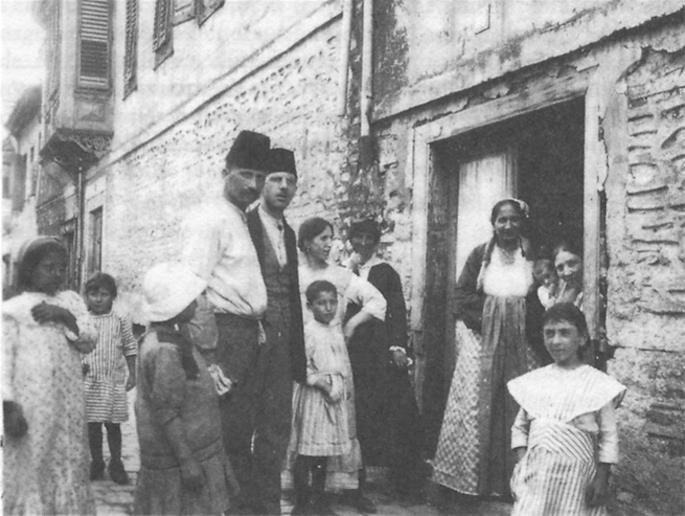
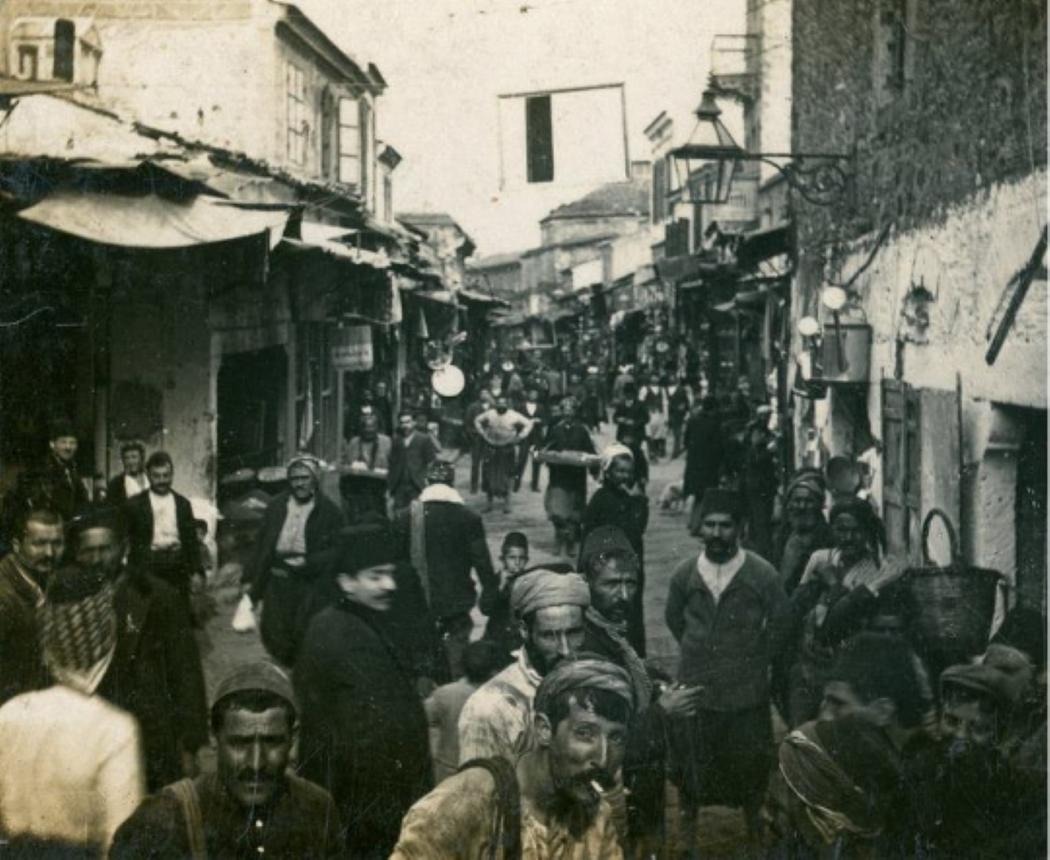
Greece and the Balkans
Throughout history, Thessaloniki was one of the most important Ladino-speaking centres. There were also Sephardic communities in Bulgaria, Bosnia, Serbia and other Balkan regions.
Israel
Sephardic families who migrated to Israel from different countries in the twentieth century formed one of the main communities where Ladino was spoken.
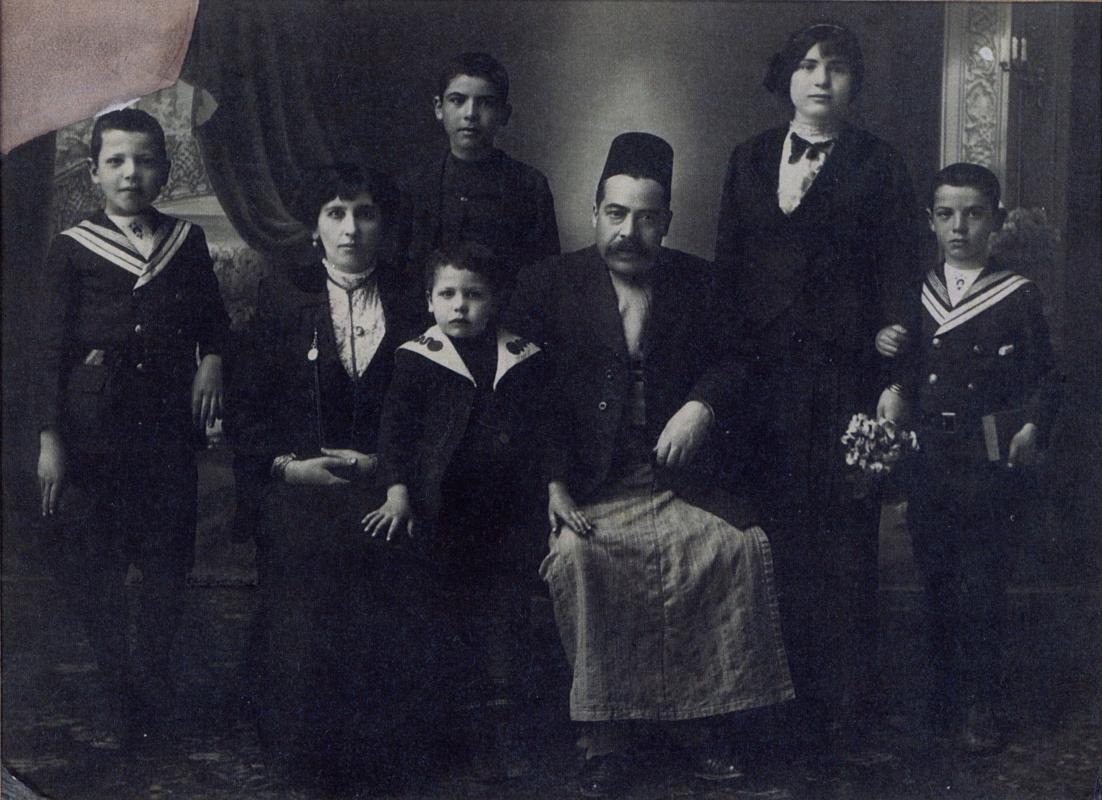
The United States and other countries
Families who migrated from Türkiye, Greece and other regions carried Ladino to the Americas and to different diaspora centres.
This geographical spread also explains why the language is not uniform. A Ladino speaker raised in Istanbul and one raised in Thessaloniki or İzmir may differ in pronunciation, word choice and some expressions.
5. The relationship between Ladino and Spanish
There is a strong similarity between Ladino and modern Spanish. This is because both are connected with historical Spanish.
Some words said by a Ladino speaker can easily be understood by someone who knows Spanish. Even so, because of differences in pronunciation, old language features, local words and language changes that developed over centuries, the two languages are not exactly the same.
Ladino's distinctive language features include the following:
- Words and language structures left over from Old Spanish.
- Words of Hebrew and Aramaic origin, used especially in religious and cultural areas.
- Words taken from Turkish, Greek, French and other regional languages.
- Pronunciation and word use that vary from region to region.
For example, the influence of Turkish can be seen especially in the daily life of communities living in the Ottoman lands. Some words used in areas such as shopping, food, local administration and social life bear the traces of the relationship Ladino speakers formed with their surroundings.
Is Ladino badly spoken Spanish?
No. Ladino is a language with its own historical development, vocabulary, written works and speech traditions. Its similarity to Spanish does not make it wrong or corrupted Spanish.
Like every language, Ladino developed according to the needs of the societies where it was spoken. A language taking words from another language or developing a different pronunciation does not prevent it from gaining an independent cultural identity.
6. What alphabet is Ladino written in?
The writing history of Ladino also reflects the cultural features of the language.
Throughout history, Ladino works were mostly written in various forms of the Hebrew alphabet. Among these, the Rashi script used in printed works and Solitreo, a handwriting-based script seen in personal correspondence, hold an important place.
This may seem surprising at first: although Ladino is structurally a Romance language, historically it was mostly written not in Latin letters like Spanish but in Hebrew letters. The main reason is that the writing tradition developed within the educational and religious culture of Jewish communities.
Today Ladino is also written in the Latin alphabet. The use of Latin letters is especially widespread on the internet and in language teaching. Even so, exactly the same standard for spelling has not been adopted everywhere.
This historical diversity is an important subject in Ladino research. The same word may appear in different forms in different periods, publications or writing traditions.
7. Ladino literature, music and culture
One of the most important things keeping Ladino alive is that the language goes beyond everyday speech and forms a rich cultural heritage.

Folk songs and oral tradition
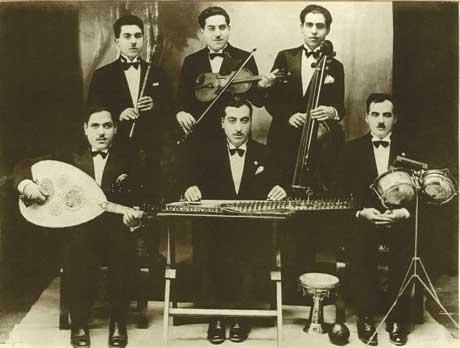
Songs, lullabies, wedding melodies and stories handed down in the family have an important place in Ladino culture. These works help us understand how people lived in the past, their joys, their separations, their marriage traditions and their family relationships.
The importance of oral culture is especially great. In many families, songs and stories have been preserved by being passed down from generation to generation rather than through written sources.
Proverbs and humour
Ladino has a tradition of proverbs and humour that conveys the experience of daily life in short, memorable expressions. Family relationships, neighbourliness, money, old age, love and human behaviour are frequent themes of this tradition.
The comic story character known as Ejoha or Jocha is also a well-known example of this cultural heritage. In the stories, the character behaves sometimes naively, sometimes cunningly and sometimes with unexpected wisdom.
Religious and literary works
Ladino has been used in translations and explanatory works that helped different communities understand the Jewish religious tradition.
One important example is Me'am Lo'ez, a comprehensive commentary on the Torah that began to be published in Istanbul in 1730. This work is regarded as one of the most important achievements of Ladino literature and Eastern Sephardic culture.
Newspapers and modern literature
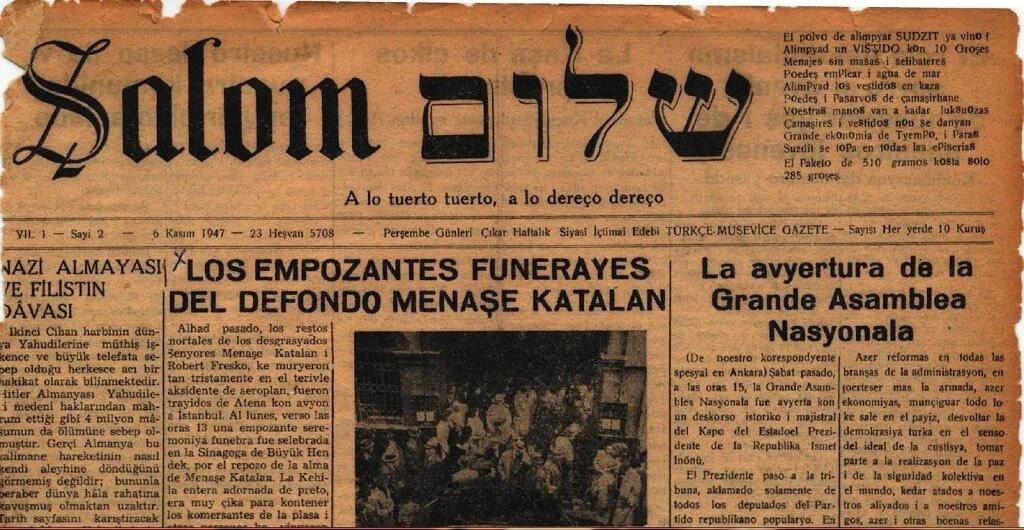
Ladino journalism developed especially in the late 19th and early 20th centuries. Newspapers published in cities such as Istanbul and Thessaloniki allowed social events, news and ideas to be shared within the community.
These publications show that Ladino was not only a language spoken at home; it was also used for education, debate, literature and public life.
8. The relationship between Ladino and Turkish
The relationship of Ladino with the history of Türkiye is especially striking. From the end of the 15th century, the Ottoman Empire became one of the main places where Jewish communities migrating from Spain and Portugal settled.
The Sephardim living in cities such as Istanbul, İzmir and Thessaloniki kept Ladino going for generations. At the same time, because they lived in a Turkish-speaking society, a natural interaction developed between the two languages.
This interaction had several dimensions:
- Daily life: Words related to the market, trade, crafts and city life could enter the vocabulary of the language.
- Family and neighbourhood: Contact between people speaking different languages increased the exchange of words and expressions.
- Cultural life: Food, music, humour and local traditions bore the traces of interaction between communities.
- Multilingualism: Many Sephardim could use Turkish alongside Ladino and, depending on the period, French or other languages.
For this reason, Ladino is also a valuable resource for researching Türkiye's multicultural past.
But the relationship between Ladino and Turkish should not be limited to the exchange of words. The historical coexistence of these two languages also shows how different communities lived, traded and interacted culturally in the same cities.
9. Where is Ladino spoken today?
Ladino is still a living language today, but it has largely lost its former spread.
Historically there were much larger communities of speakers in centres such as Istanbul, İzmir and Thessaloniki. Today a significant proportion of those who speak the language fluently are elderly. Israel, Türkiye and the United States are among the main places where Ladino speakers and cultural activities can be found.
It is difficult to determine the number of Ladino speakers precisely. There are several reasons for this:
- Fluent speakers and those who can only understand the language are not assessed in the same statistics.
- Some people learn Ladino from their family, others later through education.
- Some communities use the names Ladino, Judezmo or Judeo-Espanyol in different ways.
- Up-to-date and comparable population research is limited.
For this reason, speaker numbers found on the internet should be assessed carefully. It would not be right to present a particular figure as a definitive number accepted worldwide.
Ladino in Türkiye
In Türkiye, Ladino is associated especially with the historical heritage of the Sephardic Jewish community. Even so, the regular transmission of the language within the family has weakened.
A 2022 Anadolu Agency report gave an estimate of about 8,000 Ladino speakers in Türkiye. This figure should not be regarded as the exact number of speakers today, because it is unclear what level of language proficiency the estimate covers and to what extent it is still valid.
Cultural events, music projects, publications and language teaching initiatives are important for preserving the language in Türkiye. Research on the Sephardic history of Istanbul in particular shows that Ladino is valuable not only linguistically but also socially and historically.
10. Why is Ladino in danger of disappearing?
The biggest problem Ladino faces today is that the language is not being sufficiently passed on to new generations.
The future of a language depends not only on the number of people who know it, but also on whether children and young people use it in their daily lives.
Various historical and social factors have played a part in the decline of Ladino.
The impact of the Holocaust
During the Second World War, Nazi Germany and its collaborators carried out a systematic genocide against the Jews of Europe. The vast majority of the Jewish population in major Sephardic centres such as Thessaloniki was murdered.
This destruction led not only to the loss of human life, but also to the shattering of the Ladino-speaking families, neighbourhoods, educational circles and networks of cultural transmission. The effect of the Holocaust on the decline of Ladino in Europe was extremely heavy.
The spread of national languages
In the 20th century, with the spread of education systems and nation-states, common national languages came to the fore in many countries.
Turkish in Türkiye, modern Hebrew in Israel and the dominant language of each country elsewhere gained greater importance in public life and education. As the use of these languages became linked to social and economic opportunity, it became more common for families to speak to their children in other languages instead of Ladino.
The weakening of transmission between generations
In many families, while grandparents spoke Ladino, their children and grandchildren learned the language less. In this way, in some homes Ladino ceased to be a language of daily communication and turned into a heritage used in elders' memories, songs and on special days.
The influence of stronger languages
The greater use of languages such as Spanish, Turkish, modern Hebrew, English and French in education, work and international communication has also narrowed Ladino's everyday sphere of use.
UNESCO has classed the Judeo-Spanish languages among endangered languages because of their limited number of speakers and the weakening of transmission between generations.
There is an important distinction here: a language being endangered does not mean it has completely disappeared. Ladino continues to be spoken, taught, researched and used in cultural events today.
11. Is Ladino being revived today?
Yes. In recent years, academic and cultural interest in Ladino has continued, and digital spaces have supported this interest.

The main forms of these revival efforts are:
- University courses: Programmes teaching the grammar, history and literature of the language.
- Digital archives: Preserving old newspapers, books, letters and sound recordings.
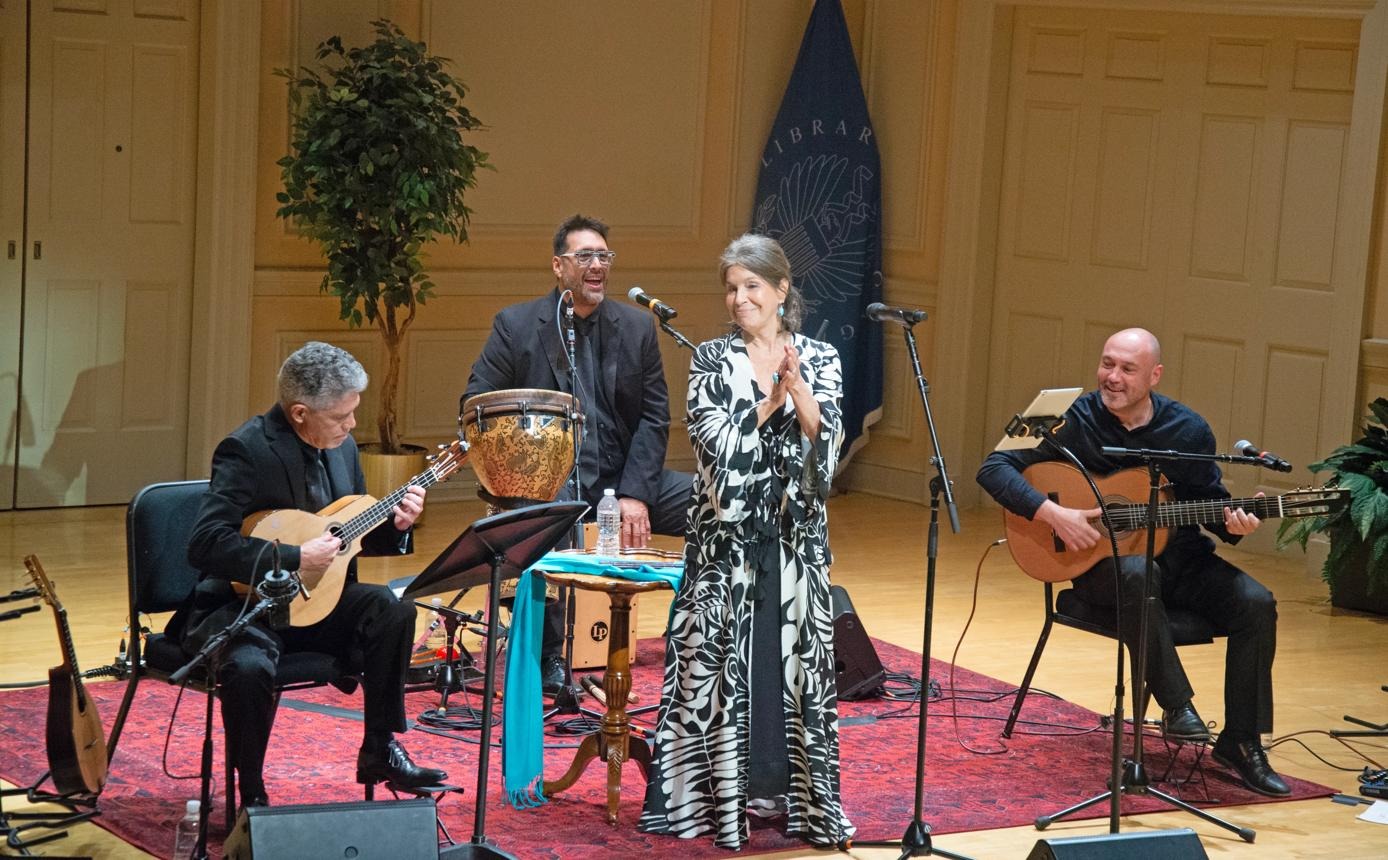
- Music and theatre: Performing Ladino songs and staging plays in the language.
- Online communities: People in different countries communicating about the language and sharing learning resources.
- Work on family history: Younger generations learning words, songs and stories from their elders.
For example, the Ladino Lab (Ladino Collaboratory) developed at Binghamton University is one example of the work being done to teach and research Ladino.
A study published in 2025 also drew attention to the role of online communities in the rediscovery of Ladino and the expression of Sephardic identity.
Even so, growing online interest alone does not mean the language has once again become a widespread mother tongue. For a language to live strongly, people must not only research or listen to it, but speak it regularly and pass it on to new generations.
12. Can Ladino be learned?
Yes. It is possible to learn Ladino. Those who know Spanish in particular may find many of its words and structures familiar. But knowledge of Spanish alone is not enough to really learn Ladino; it is also necessary to learn historical words, different pronunciations and expressions connected with Jewish culture.
The following ways can be used to begin:
- Reading Ladino texts written in the Latin alphabet.
- Getting used to the pronunciation by listening to Ladino songs.
- Making use of online dictionaries and university resources.
- Studying translations of historical newspapers and stories.
- If possible, practising with people who speak the language or with learning communities.
Because Ladino has different spelling traditions, sticking to one spelling system at the start can make learning easier.
13. Why is Ladino culturally important?
The importance of Ladino does not come simply from its being made up of words left over from the past. The language shows what people carried with them when they migrated and how they preserved their cultural identity as they settled in new societies.
Through Ladino, one can learn about the following subjects:
- The historical life of the Jewish communities of Spain.
- The migrations after 1492 and the social structure of Ottoman cities.
- Cultural interaction between Jewish, Turkish, Greek and other Mediterranean communities.
- Family traditions, marriages, food and music.
- The translation of religious texts into different languages.
- How minority languages change over time and why they decline.
Preserving Ladino is not only a matter of recording the words of a language. It is also about passing on to future generations the stories told in it, the songs sung in it, the memories of families and historical experience.
Conclusion: The past and future of Ladino
Ladino is an original Judeo-Spanish language with roots in medieval Spanish, developed over centuries by Sephardic Jews. After 1492 it was carried by the communities leaving Spain to the Ottoman lands, North Africa and other regions, and was enriched through interaction with Hebrew, Turkish, Greek, Arabic and other languages.
Once an important part of daily life in cities such as Istanbul, İzmir and Thessaloniki, Ladino today faces a serious risk of language loss because of the Holocaust, migration, social change and the weakening of transmission between generations.
Even so, Ladino has not disappeared altogether. It lives on thanks to songs, books, historical newspapers, university research, digital archives and new learning initiatives.
The most important feature of Ladino is that a language can be at once a witness to the past and a living part of cultural identity. To learn and preserve it means to understand not only a linguistic heritage but also an important part of the multicultural history of the Mediterranean.
Sources for further information
- Oxford Academic — Ladino: an academic study of its history and linguistics.
- European Parliament — Ladino: Judeo-Spanish language and culture in Europe.
- UNESCO — The Judeo-Spanish languages, identity and cultural heritage.
- My Jewish Learning — What Is Ladino?.
Did you enjoy this post?
Tell Michael with a like, and pass it on to someone who loves Ladino.



Comments 0
No comments yet. Be the first to share what this post means to you.
Sign in to write a comment and keep your favourites.